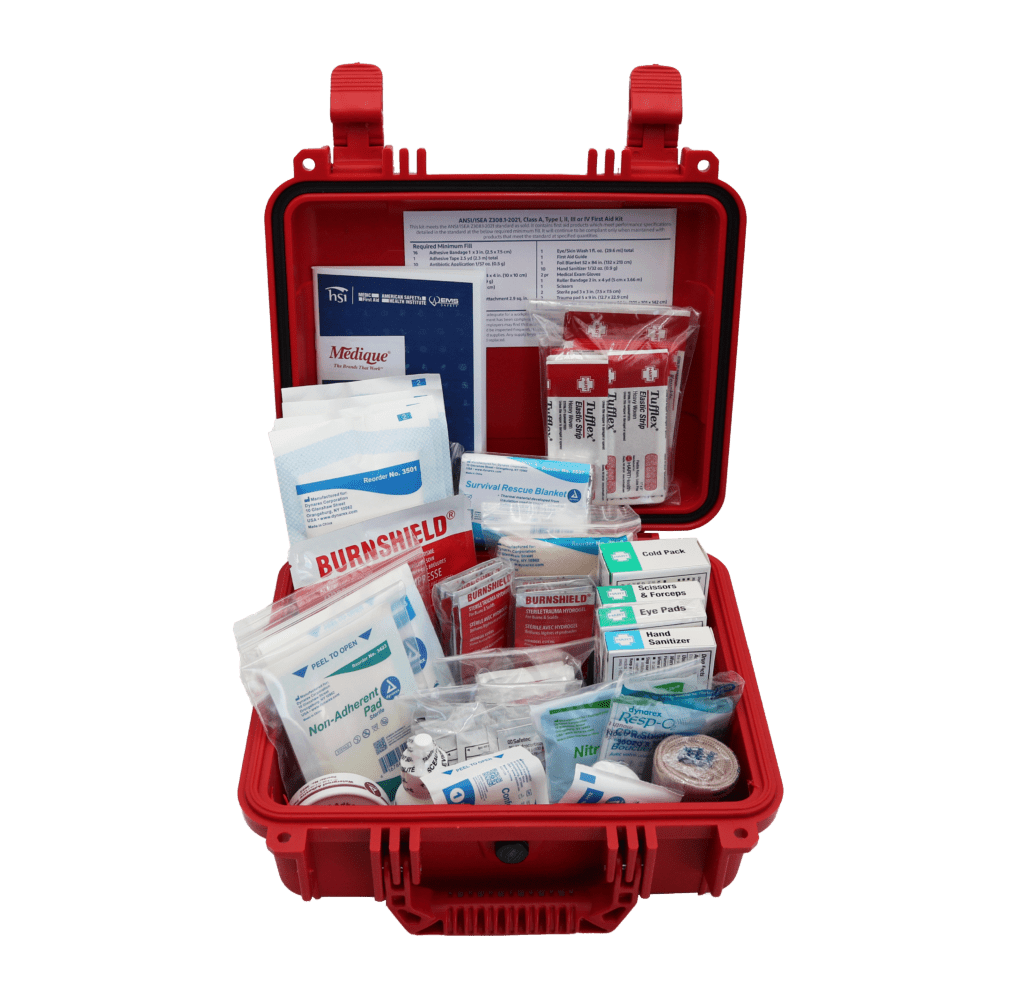
First aid kits are an essential part of workplace safety, but not all kits are built the same. The American National Standards Institute (ANSI) defines clear classifications to help ensure the right level of protection is available for different work environments.
First aid kits are grouped into two primary classes: Class A and Class B. These classifications are based on workplace risk levels, ranging from low-risk environments like offices to higher-risk settings such as manufacturing and construction sites.
Beyond classification, first aid kits also vary by design and durability. Features such as water resistance, waterproof construction, and wall-mountable configurations help determine how and where a kit can be effectively used.
Class A First Aid Kits
Class A first aid kits are designed for low-risk workplace environments such as offices, retail spaces, and administrative facilities. They contain a standardized set of 19 essential items to treat minor injuries such as cuts, scrapes, and minor burns commonly associated with general workplace activities. You can view our full selection of Class A first aid kits designed for workplace compliance.
Class B First Aid Kits
Class B first aid kits are intended for higher-risk environments such as manufacturing facilities, warehouses, and construction sites. These kits include 21 types of items and build upon Class A contents with increased quantities and additional supplies for managing more serious injuries, including deeper wounds and traumatic incidents. You can view our range of Class B first aid kits built for industrial and high-risk workplace environments.
Types of First Aid Kits:
In addition to ANSI Class A and Class B classifications, first aid kits are also categorized by configuration and durability based on workplace environment and mobility needs.
- Type I Kits – Designed for stationary indoor use, Type I kits are typically wall-mounted or stored in fixed locations such as break rooms or office areas.
- Type II Kits – Type II kits are portable and intended for environments where first aid supplies may need to be carried to the point of injury within an indoor setting.
- Type III Kits – Type III kits are designed for both indoor and outdoor use. They are typically wall-mountable, water-resistant, and suitable for environments exposed to moisture or dust.
- Type IV Kits – Type IV kits are built for demanding environments. They are waterproof, impact-resistant, and designed for portable use in industrial, construction, and mobile work settings.
| Kit Type | Intended Use Environment | Mounting/Portability | Environmental Resistance | Typical Workplace Use |
|---|---|---|---|---|
| Type I | Indoor, stationary | Fixed location (wall-mounted or cabinet) | Basic protection from dust | Offices, industrial and commercial break rooms |
| Type II | Indoor, mobile | Portable | Basic protection for dust | Offices, fleet vehicles, retail spaces |
| Type III | Indoor and outdoor | Portable or wall-mountable | Water-resistant, dust-resistant (gasket or seal) | Schools, light industrial mixed environments |
| Type IV | Indoor and outdoor, harsh or mobile environments | Portable | Waterproof and impact resistant | Construction, manufacturing, field operations |
Compliance and Common Misconceptions
ANSI/ISEA standards set the baseline for workplace first aid kits across industries. The Z308.1 standard defines how kits are classified and what they need to include for effective injury response. You can view the official ANSI/ISEA Z308.1 standard for full details. Some workplaces may need extra supplies based on specific hazards, but employers are responsible for assessing risk and keeping kits properly stocked and ready for use.
Maintaining Compliance
First aid kits should be inspected regularly to ensure supplies are complete, functional, and within expiration dates. Ongoing maintenance is essential to support workplace safety programs and maintain compliance with applicable safety guidelines. See our first aid kit refill supplies to keep your kits fully stocked and ready for use.
Conclusion
Understanding first aid kit classifications helps ensure workplaces are properly equipped to respond to injuries effectively. Selecting the right combination of class and kit type supports both compliance and day-to-day workplace safety readiness.
Related Products
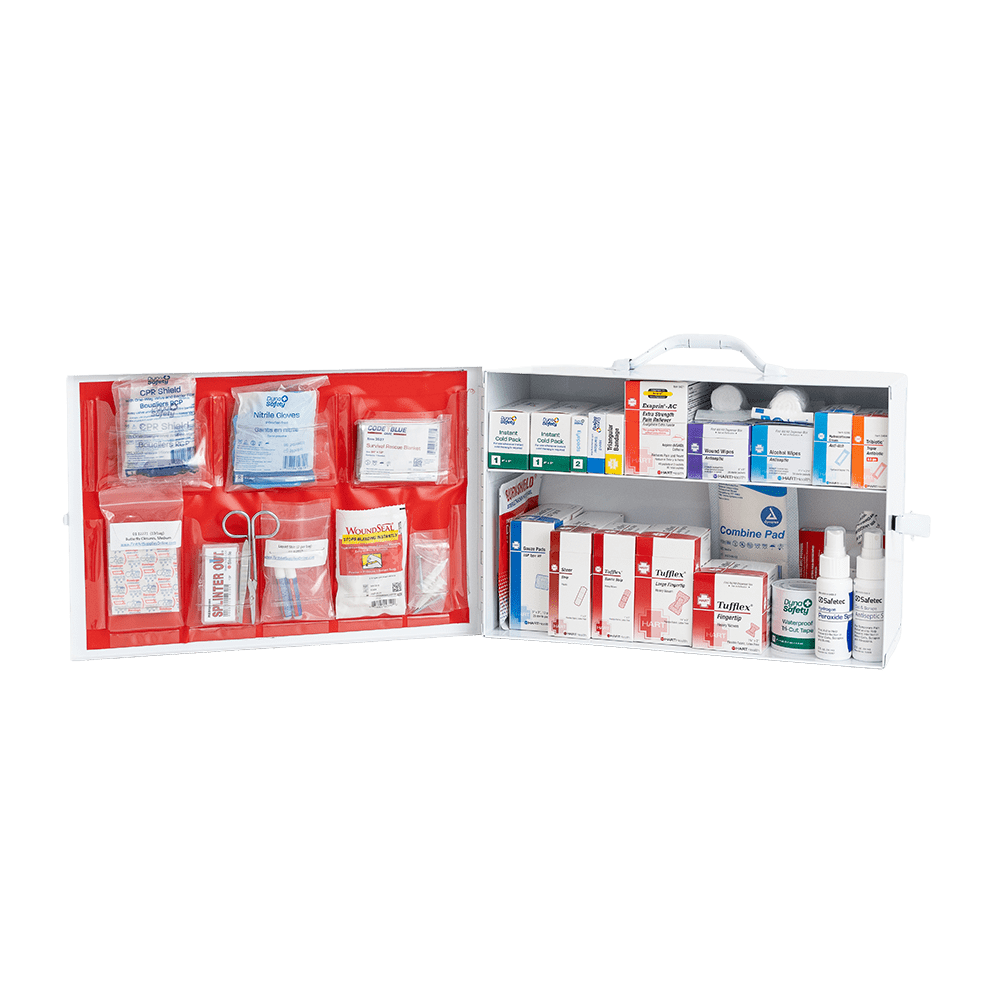
Class A Type I
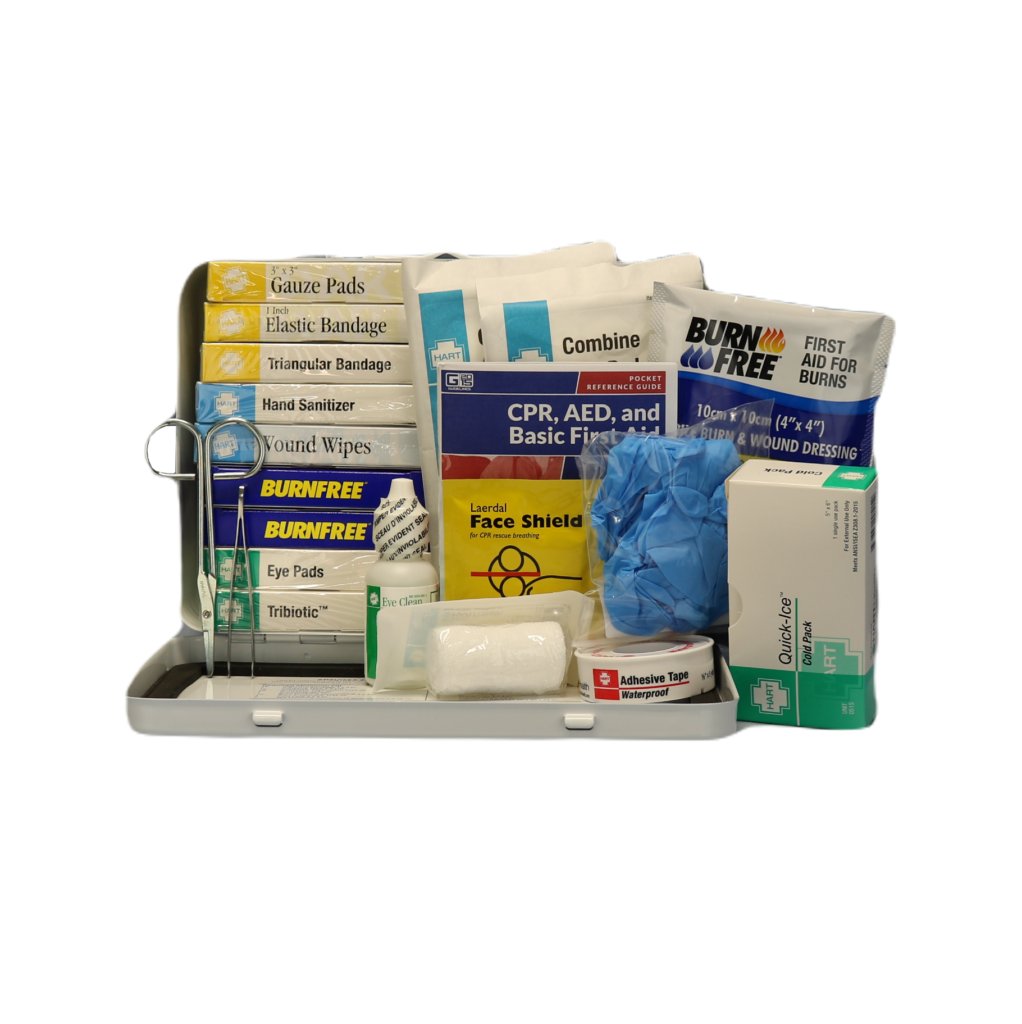
Class A Type II

Class A Type III