
-
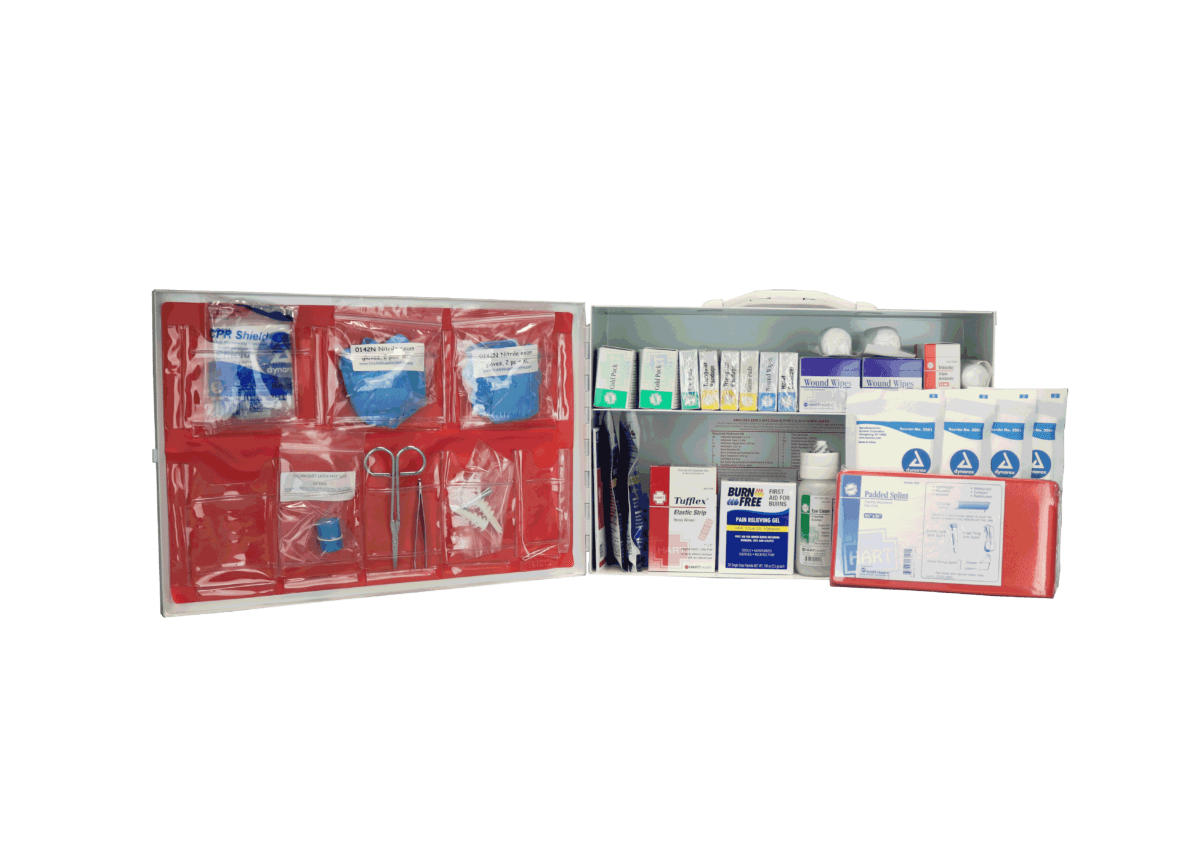
What Are Class B First Aid Kits and Which Workplaces Need Them?
In 2021, the American National Standards Institute (ANSI) released updated requirements for workplace first aid kits through the ANSI/ISEA Z308.1 standard. These guidelines help employers determine which first aid supplies should be available based on the hazards present in the workplace. ANSI divides workplace first aid kits into two categories: Class A and Class B.…
-

Why Every First Aid Kit Should Include Stop Bleeding Products
The average human being has around 5.7 liters (1.5 gallons) of blood pumping around their body at any given time. If you are unfortunate enough to have an accident involving blood loss, there can be serious consequences. This is why every first aid kit should include stop bleeding products! Lose enough, say 2 liters, and…
-

What to Keep in a Team Sports First Aid Kit
Whether you’re managing an adult recreational league, coaching a youth team, or responsible for keeping the team’s supplies together, having a first aid kit with you is a good idea. Cuts, scrapes, blisters, bruises, sprains, and strains are all common in sports. You don’t need to carry everything under the sun, but you do want…
-
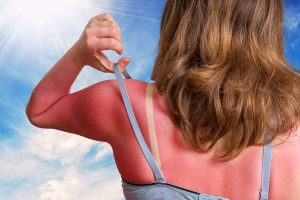
Sunburn First Aid: How To Avoid It and How To Treat It
Sunburn Treatment, how to avoid sunburn and hot to treat it. Most people would agree that relaxing on the beach is one of the highlights of summer vacation or weekend excursions. But it would be almost impossible not to know at this point, considering the amount of public education, that certain lengths of Ultraviolet (UV)…
-

Bee Sting First Aid Tips
Bee stings can ruin an outdoor adventure or even playtime in the yard very quickly for you and your kids. Even though it might be a little scary for kids, treating a bee sting is pretty easy for those who don’t experience an allergic reaction. You might be surprised to learn that most bees don’t…
-

How to Avoid Tick Bites and Remove Ticks
Few things ruin the enjoyment of birdwatching, camping, boating, or walking woodland trails than discovering a tick on your body, your pet or your child when you return indoors. But if you take precautions, there’s a good chance you and your closest peeps will never have to encounter one of these vile creatures. In…
-
How to Clean, Treat, and Cover Minor Wounds
Knowing how to properly clean, treat, and cover minor wounds when the moment calls for it can mean the difference between a prompt return to whatever you were engaged in before hurting yourself and a trip to the doctor or hospital. It can also mean the difference between a wound that heals quickly and one…
-

Do You Know the 4 Degrees of Burns?
You’re no doubt familiar with 1st-degree burns – that is, the kind of burn caused by hot steam from a boiling pot of water, a sunburn, or getting your hands too close to the campfire for a moment. These superficial burns only affect the outer layer of the skin, called the epidermis, causing soreness, sometimes…
-
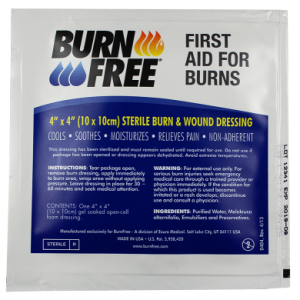
Hydrogel for Burns: Burn First Aid
Burn wounds are serious injuries, and if not treated properly, can cause intense pain and infection. The American Burn Association states that 486,000 patients receive hospital and emergency treatment for burns each year. While many individuals turn to treatments like applying ice or cold water, these remedies don’t always provide sufficient healing, and can potentially…