
Category: ANSI/ISEA OSHA
-
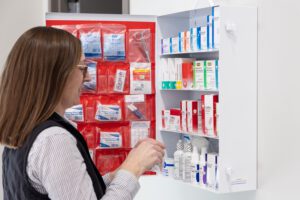
First Aid Cabinet Refill Service vs. Restocking It Yourself
Keeping your workplace first aid cabinets stocked doesn’t have to involve a service contract. You can order supplies directly and manage restocking on your own schedule. With self-stocking, you choose the supplies, review the prices, and order what your workplace uses. It takes someone on your team to check the cabinets and keep track of…
-
Why “Best First Aid Kit” Lists Don’t Work for Workplaces Safety Programs
“Best first aid kit” lists are designed for consumers, not workplaces. They ignore OSHA/ANSI requirements, employee count, hazard levels, and ongoing refill needs. In workplace environments, first aid is not a one-time purchase. It is an ongoing system that must remain stocked, standardized, and compliant across time and locations. Most online “best first aid kit”…
-

First Aid Kit Classes Explained: Types, Standards, and Workplace Use
First aid kits are an essential part of workplace safety, but not all kits are built the same. The American National Standards Institute (ANSI) defines clear classifications to help ensure the right level of protection is available for different work environments. First aid kits are grouped into two primary classes: Class A and Class B.…
-

Cal/OSHA Contractor First Aid Kits and the Physician Approval Requirement
California has specific requirements for contractor first aid kits under Title 8, Section 1512 of the Construction Safety Orders. These rules apply to construction projects, line crews, and other temporary or mobile job sites where employers are required to keep first aid supplies available. The regulation includes a minimum list of supplies and requires the…
-

Top 10 OSHA Standards Most Frequently Violated by Workplaces
The Occupational Safety and Health Administration (OSHA) enforces standards and regulations to ensure the safety of workplaces and the workers within them. It’s essential for offices and organizations to follow these regulations, but there’s a surprising amount of employers who simply aren’t aware that these standards and regulations exist, let alone that they’re not meeting…
-

How to Build an Effective Workplace First Aid Program
Updated 2026 A workplace first aid program does more than help meet compliance requirements. It helps employees receive prompt care when injuries and medical emergencies occur and gives employers a clear plan for responding to incidents. While every workplace is different, the most effective first aid programs have four things in common: By focusing on…